Green Chile Sauce Recipe
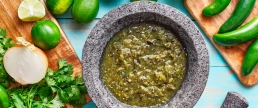
GREEN CHILE SAUCE
Published in our Celebrating the Foods of New Mexico Cookbook. This recipe is a great one to prepare in bulk and freeze as it is used on so many favorite New Mexican dishes. This is the sauce for green chile enchiladas, use it for breakfast burritos, over eggs or to spice up your hamburgers. A great trick is to freeze some in an ice cube tray and pop one out for a single serving. It’s also a natural match for a bowl of New Mexican green chile stew when you want extra chile flavor. For best results, use our green chile, coriander and cumin, but can all be found HERE!
Stock up on the essentials for this dish.
Makes about 2 ½ cups
1/4 cup vegetable oil
1 cup chopped onion
2 to 3 teaspoons minced garlic, to taste
1 to 2 Tablespoons flour
1 cup mild roasted, peeled, chopped New Mexico green chile
1 cup hot roasted, peeled, chopped New Mexico green chile
1/3 teaspoon freshly ground coriander seed to taste
1 1/2 cups chicken stock
Salt to taste
Heat the oil in a medium saucepan over medium heat and sauté the onion until softened, about 3 to 4 minutes. Add the garlic and sauté 1 minute more. Stir in the flour. Add the green chiles and coriander and slowly stir in the chicken stock. Bring the mixture to a boil, reduce the heat and simmer for about 15 minutes. Season with salt to taste.
Optional seasonings: diced tomato, fresh cilantro and/or cumin.



Savory Corn Flan Recipe
SAVORY CORN FLAN
Stock up on the essentials for this dish.
Complete your serving setup with the Taos Twist pierced spoon, a handcrafted tabletop piece from the SFSC Marketplace.
6 tablespoons unsalted butter
½ cup bread crumbs
6 cups fresh or thawed frozen corn kernels, divided
2 cups heavy cream, divided
2 teaspoons corn starch
1 cup green chile, roasted, skin and seeds removed, diced into ½” pieces, or 2 tablespoons chipotle en adobo
½ cup green onions, thinly sliced
1 clove garlic, peeled and minced
1 tablespoon fresh marjoram or sage, chopped
4 large eggs, well beaten
1 cup Monterey Jack, cheddar or Fontina cheese (may be combined with Cojita, Romano or Asiago for a sharper flavor), grated
1 teaspoon salt and black pepper, or to taste
- Preheat the oven to 350˚. Lightly butter a 9×13 inch baking dish or 10 individual ramekins.
- Melt the butter and combine a third of it with the bread crumbs. Set aside.
- In a food processor, puree half the corn with half the cream, cornstarch and chile.
- In a small skillet over medium heat, melt the remaining butter; add the green onions and sauté for 2 minutes. Add the garlic and marjoram or sage and cook 2 minutes more. Allow to cool briefly. Place all the corn, corn puree, onions and garlic in a bowl and mix well. Stir in eggs, cheese and remaining cream. Season with salt and pepper and pour into prepared baking dish or ramekins.
- Sprinkle with bread crumbs. Bake 45 to 50 minutes for a baking dish, 35 to 40 minutes for ramekins.

Carne Adovada Recipe
CARNE ADOVADA
Carne Adovada is one of our favorite recipes here at Santa Fe School of Cooking. It is a great make ahead dish that only gets better the longer it cooks. Our director, Nicole, makes this regularly for her family as it is great to get cooking in a crock pot before heading out to work.
Stock up on the essentials for this dish.
Complete your Southwest table with the Taos Twist coffee spoon, a handcrafted piece available in the SFSC Marketplace.
1/3 c. peanut or vegetable oil
3-1/2 lbs. pork loin or butt, cut in 3/4-inch cubes
2 c. diced onion
2 T. minced garlic
4 c. chicken broth or water
2 t. ground coriander seed
2 t. ground cumin seed
2 t. dried Mexican oregano
2 t. chile caribe
3/4 c. Chimayo ground red chile, mild or medium
1 T. red chile honey
2 T. Sherry vinegar or red wine vinegar
salt to taste
Ingredients required for recipe:
- coriander, cumin, Mexican oregano, chile caribe, red chile powder, red chile honey, Sherry vinegar
- Preheat the oven to 350°.
- Heat the oil in a large skillet and brown pork in batches. Set the pork aside. Add the onion to skillet and sauté until golden. Add the garlic and sauté for 1 minute. Deglaze the skillet with 1 c. of the chicken broth, loosening the browned bits with a spoon.
- Place the coriander, cumin, oregano, chile caribe, red chile, honey, vinegar and salt in the workbowl of a food processor. Add the cooked onions, garlic and broth from the skillet and 2 more c. of chicken broth. Process until the mixture is thoroughly combined.
- Place the browned pork, the chile marinade and the remaining 1 c. chicken broth in an ovenproof pot or dish, stir to combine well, and cook for 1 hour or until the pork is tender.
- Serves 8
Optional seasonings: ground canela, , toasted ground chile seeds, toasted ground pumpkin seeds.
Note: This dish reheats wonderfully and is better the next day.
Note: The traditional method for making this dish is to mix the marinade ingredients together and pour this over the meat. Cover the mixture and refrigerate overnight. Pour the meat and the marinade into an ovenproof casserole or pot and bake, covered, for 2 to 2-1/2 hours, or until tender. The method described above, although not so traditional, brings out the flavors of the onion, garlic and pork because the ingredients are caramelized or browned first. Whichever method you choose, the dish is full of flavor and will be a favorite. You can serve the Carne Adovada over chile rellenos, rice, wrapped in a flour tortilla as a burrito, or with beans and posole.
Expert Cooking: What to Expect from a Santa Fe Cooking Class
Expert Cooking: What to Expect from a Santa Fe Cooking Class
Experience the best of Southwestern and New Mexican cooking. It’s been said that one of the best ways to get to know a city is through its food. Santa Fe may offer one of the best opportunities to experience this adage.
Santa Fe cuisine reflects the city's novel culture and history, and you can learn all about it when you sign up for a cooking class from the Santa Fe School of Cooking. You'll discover the techniques and characteristics that define New Mexican cuisine, influenced by Native American, Mexican, and Spanish traditions.
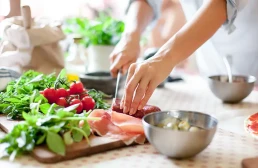
We offer both hands-on and demonstration classes, and either way, you don't need to be a chef to enjoy one of our cooking classes. You’ll get to dive into the cooking experience as a seasoned kitchen pro, a novice, or as one who prefers to watch our experienced chefs work their magic.
What sets our classes apart is the immersive integration of culture and cuisine. You'll hear about the Southwest’s history and learn how our local fare connects you to the land and its people. Through active participation in our hands-on classes, you’ll naturally develop cooking skills. It's learning made delicious!
You'll find our cooking classes fully experiential, as your senses are engaged by the scent of roasting chiles, the brilliant colors of fresh produce, the fiery sizzle of a hot pan, and the first through the final, joyful bite. Connect more meaningfully with Southwestern cuisine by understanding its significance and knowing how to make delectable recipes at home.
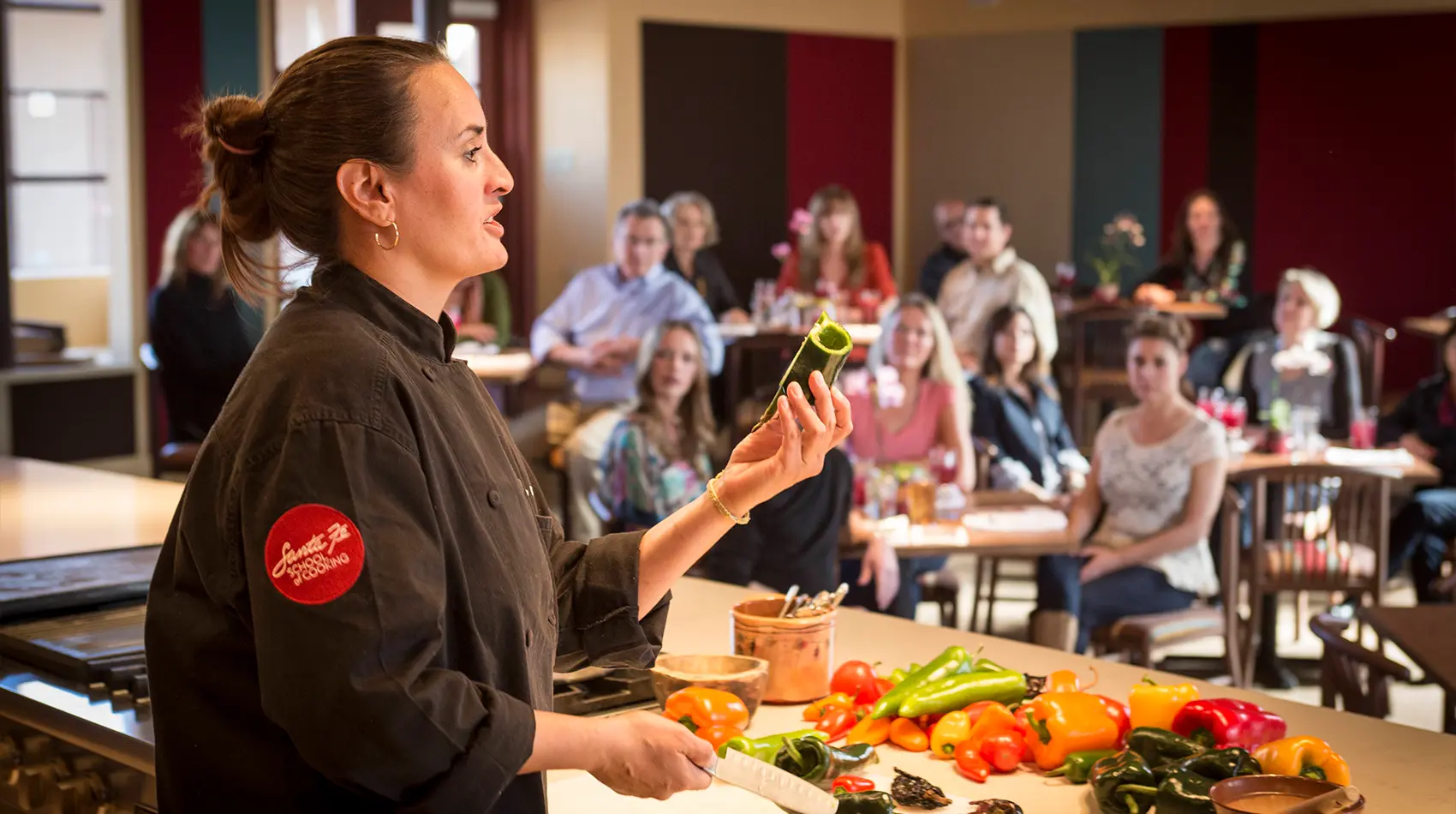 Hands-On Cooking Instruction from Southwest Experts
Our classes give you a chance to learn from chefs who live and breathe Southwestern food. With professional instruction, you'll follow precise steps to success. Join our chefs to learn authentic contemporary and traditional Southwestern culinary techniques to unlock exceptional flavors in your cooking.
Ready to explore artisan cooking methods? You'll try them here. Simple, traditional techniques like slow roasting or grinding spices by hand deliver impeccable results.
Depending on the class, our chefs incorporate Indigenous cooking traditions, which are a key element of our Native Cooking Classes, honoring the past through techniques like grilling or black micacious clay pot, pan, or comal cooking, depending on the session. These approaches offer a direct connection to history.
The best part? You'll gain real skills. Learn from our experienced chefs and leave ready to impress with authentic Southwestern dishes you can confidently make at home.
Get familiar with distinctive Southwestern provisions you may not typically use. Our classes will guide you in selecting, storing, and preparing ingredients like smoky chipotle peppers and earthy blue corn to achieve an authentic regional taste.
The learning doesn't stop when the class ends! We offer recipes and spice blends so you can create Southwest meals at home. You'll leave with tangible tools to keep honing your skills. Of course, if you want to take home some of the physical tools you used in the class, be sure to visit our marketplace before you leave.
Beyond the Kitchen: Food Tours & Market Finds
Cooking is just the start. Santa Fe has so much more to offer. Our guided food tours bring epicurean exploration to your trip. You'll walk through the heart of town, tasting dishes from local restaurants, and get the opportunity to meet the chef or owner. It's a fun way to explore the food scene.
The farmers market is a must-visit, too. If you take the Farmers Market class, you'll dive into artisan food discovery with every step. Fresh chiles, local produce, and unique spices fill the stalls. This treat for your senses is inspired by and sourced from the best of our local market finds.
These outings provide an opportunity to learn ingredient sourcing from our professional instructors. You'll know what to grab for your next meal. You'll also see farmers, vendors, and cooks working together to keep the regional food ecosystem in action. Combine our food tours and cooking classes for the best results. Our culinary tourism experiences leave a lasting impression in and out of the kitchen.
Our food tours and market visits introduce you to the passionate people who keep local traditions alive. You might chat with a fourth-generation chile farmer, learn the secrets of heirloom corn from a tortilla maker, or watch a chocolatier craft spiced treats inspired by Indigenous recipes.
Invite yourself to be swept up in the lively energy of these culinary centers, where the scent of roasting peppers mingles with the exceptional hues of fresh produce at every turn.
Transform Your Cooking with Santa Fe's Best
Cooking classes from Santa Fe School of Cooking teach more than just how much of which ingredient to use, or how long a dish should be cooked. We offer a deep dive into Santa Fe’s food history and culture that will expand your culinary mindset. Each class is rooted in authentic regional cooking education, giving you a deeper understanding of traditional ingredients and methods exclusive to Santa Fe.
Plus, most classes end with a communal meal, where you get to enjoy the epicurean creations with your classmates. This shared dining experience adds to the pleasure of the class, bringing people together through a shared love of food and culture. It's a chance to swap stories, learn from others, and fully appreciate the magic of Southwestern food.
With an emphasis on experiential learning in cuisine, you'll cook, taste, and learn in a way that builds lasting confidence. These sessions are designed to help you build skills, intuition, and appreciation for food.
It's not just about following recipes; it's about learning the why behind the how. Along the way, you'll connect with fellow food lovers and walk away with a more profound sense of taste, tradition, and technique. Why wait? Discover the joy of cooking in a whole new way and bring a taste of Santa Fe to your table. Sign up for a class today!
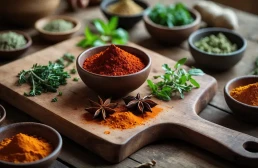
How to Use Southwest Spices to Elevate Your Cooking
How to Use Southwest Spices to Elevate Your Cooking
The bold flavors of Southwestern cuisine tell a story of cultural fusion, geographic diversity, and culinary innovation. At the Santa Fe School of Cooking, we’ve spent decades helping food lovers bring these smoky, complex flavors to life in their own kitchens. Since 1989, under the guidance of founder Susan Curtis and our team of master chefs, we’ve been the trusted source for authentic Southwestern culinary education. Master the right blend of Southwest spices, and you can turn everyday meals into a taste of the region’s soul.
Essential Southwest Spices for Your Pantry
Chile Powders: The Soul of Southwest Cooking
Southwestern cuisine is defined by its chile powders, each with distinctive taste profiles that vary in heat, sweetness, and complexity. Our most popular varieties include:
- New Mexico Red Chile Powder – Distinctive earthy sweetness with moderate heat, essential for authentic enchilada sauces, carne adovada, and traditional red chile posole
- Ancho Chile Powder – Mild with deep, raisin-like sweetness and subtle smokiness
- Chipotle Chile Powder – Full-bodied, smoky profile with medium heat from dried, smoked jalapeños
- Green Chile Powder – The signature element of New Mexican cuisine, made from chiles grown exclusively in Mexico and New Mexico, with its bright, earthy character and variable heat levels
These versatile powders can be used in marinades, dry rubs, soups, stews, and sauces. For maximum flavor development, toast chile powders briefly in a dry skillet before adding other ingredients.
Cumin: The Earthy Foundation
Ground cumin brings warm, earthy notes that anchor many classic dishes. For enhanced aroma and depth, try toasting whole cumin seeds before grinding them in a spice grinder. This spice pairs beautifully with chile powders and forms the foundation of countless Southwestern recipes including:
- Traditional chili con carne
- Enchilada sauces
- Bean dishes and vegetarian stews
- Spice rubs for grilled meats
Coriander: The Floral Complement
Ground coriander seeds contribute a slightly sweet, floral quality that balances the earthiness of cumin and the heat of chiles. This spice:
-
Brightens spice blends
-
Adds complexity to salsas
-
Enhances marinades
-
Works beautifully in Southwestern-inspired fish dishes
SFSC only sells these as whole spices and recommend briefly toasting them in a dry pan on high heat. This technique really brings out the oil and aroma of the spices. It is a fast process that really enhances the flavor!
Mexican Oregano: A Distinct Herb Species
Unlike Mediterranean oregano (Origanum vulgare), Mexican oregano (Lippia graveolens) comes from an entirely different plant family. It offers citrusy, slightly licorice-like notes that complement the heat of chile peppers. This herb, native to Mexico and the Southwest, is essential for authentic flavor in:
- Red chile sauces
- Posole
- Carne adovada
- Bean dishes
What’s the difference between Mexican and Italian oregano?
Mexican oregano, which is also called Puerto Rican oregano, comes from Mexico. It has a strong citrus flavor with a hint of licorice. It is excellent for sprinkling into salsa, Latin American dishes, black beans, posole, or spicy Tex-Mex food like chili. A deeper look at tex-mex vs new mexican cuisine helps explain why those flavor profiles diverge.
Italian oregano is the regular variety that is more commonly used in U.S. households. It has a strong flavor with sweet, minty, bitter, and peppery notes. It is also called “wild marjoram.” Of all the Mediterranean oregano varieties, Italian is the mildest and is delicious added to pasta sauce, pizzas, or used as part of a meat rub seasoning.
Garlic and Onion Powders: Foundational Elements
Garlic powder and onion powder are essentially flavor layers in Southwestern cooking. These convenient pantry staples:
- Add depth without moisture
- Blend seamlessly into dry rubs
- Provide consistent seasoning throughout the year
- Work as quick enhancers for weeknight cooking
Smoked Paprika: Subtle Smokiness
For dishes that benefit from smoky undertones without added heat, smoked paprika (pimentón) is invaluable. This Spanish-origin spice has been embraced in regional cuisine for:
- Vegetarian dishes needing depth
- Spice blends and rubs
- Roasted vegetable preparations
- Southwestern-inspired dips and spreads
Unexpected Additions: Cinnamon and Cocoa
Though surprising to some, cinnamon and unsweetened cocoa powder play crucial roles in certain Southwestern dishes. These ingredients add sophisticated undertones to:
- Complex mole sauces
- Authentic Texas-style chili
- Braised meats
- Red chile sauces with depth
Southwestern Spice Techniques from Professional Chefs
Creating Signature Southwest Spice Blends
Develop your own signature Southwestern spice blend by combining:
- 2 tablespoons chile powder (ancho, New Mexico, or a combination)
- 1 tablespoon ground cumin
- 1 tablespoon smoked paprika
- 2 teaspoons garlic powder
- 2 teaspoons onion powder
- 1 tablespoon Mexican oregano
- 1 teaspoon ground coriander
- ½ teaspoon ground black pepper
- ½ teaspoon salt (optional)
These proportions can be adjusted based on personal preference, particularly the type and quantity of chile powder to modify heat levels. Store in an airtight container and use to season grilled meats, roasted vegetables, soups, or even sprinkle on popcorn for a Southwestern twist.
Crafting Bold Marinades
Create thick, well-balanced marinades by combining:
- ¼ cup olive oil
- 2 tablespoons fresh lime juice
- 2 tablespoons Southwestern spice blend
- 2 cloves minced garlic
- 1 tablespoon honey or brown sugar (optional)
Marinate chicken, beef, pork, or shrimp for at least 30 minutes (or up to overnight in the refrigerator) before grilling or roasting. Always marinate in the refrigerator, not at room temperature, for food safety, especially with meat or seafood.
Elevating Soups and Stews
Transform ordinary soups and stews into Southwestern masterpieces by:
- Blooming spices in oil before adding other ingredients
- Using dried chiles for depth in broths
- Adding spices in layers throughout cooking
- Finishing with fresh lime juice and cilantro
Join our Traditional New Mexican or Contemporary Southwest cooking classes to master these classics.
Southwestern Breakfast Inspirations
Start your day with Southwestern flavors:
- Add chipotle powder to scrambled eggs or breakfast burritos
- Season breakfast potatoes with Southwest seasoning
- Incorporate green chile into omelets or frittatas
- Create a Southwestern avocado toast with red chile flakes and cumin
Enhancing Salsas and Dips
Elevate homemade salsas and dips by:
- Roasting tomatoes with a sprinkle of cumin before blending
- Adding smoked paprika to guacamole
- Incorporating chile powders into bean dips
- Using Mexican oregano in fresh salsas
Master Southwestern Cooking at Home
Incorporating authentic spices into your cooking doesn’t require a complete recipe overhaul — just a few key ingredients can transport your dishes to the unique culinary landscape of the American Southwest.
For the most authentic experience, source high-quality spices. The Santa Fe School of Cooking’s online store offers a carefully selected collection of premium Southwestern ingredients, spice blends, and chile products that deliver genuine regional flavor, sourced from trusted local producers we’ve worked with for over 30 years.
Ready to improve your Southwestern cooking skills? Check out our cookbook collection or join us for an in-person cooking class in historic Santa Fe, where you’ll learn time-honored techniques and recipes from our expert chef-instructors who specialize in the authentic flavors of the American Southwest.

What Makes Hatch Green Chile So Special?
What Makes Hatch Green Chile So Special?
The Fame of Hatch Green Chile
Hatch green chiles are more than just a regional favorite. They’re a culinary treasure known around the world. Grown exclusively in New Mexico’s Hatch Valley, these chiles owe their distinctive flavor to the area’s unique climate and soil, known as terroir.
The result is a Hatch green chile with a rich, earthy taste that brings out the flavor in any dish. From roasting season (late summer to early fall) to year-round cooking, Hatch Valley chile plays a starring role in some of the best chile recipes, earning its place in kitchens far beyond the Southwest.
The Unique Growing Conditions of Hatch Valley
The distinctive flavor of Hatch green chile begins with the unique growing conditions of the Hatch Valley. This region of southern New Mexico offers an ideal mix of elements that contribute to the chile's distinctive quality and taste.
Hatch, New Mexico, sits at a relatively high elevation (about 4,000 feet) and benefits from hot days, cool nights, and ample sunlight, all factors that are essential for growing chile peppers with consistent heat and depth of flavor.
Once part of the Rio Grande River floodplain, the area's fertile volcanic soil contributes to the rich terroir that distinguishes Hatch Valley chiles from other varieties. This combination of soil, climate, and elevation creates the perfect environment for cultivating chiles with a bold, earthy flavor that can’t be replicated elsewhere.
Hatch chiles are typically harvested while still green, and each fall, the aroma of roasting chiles fills the air across New Mexico. These seasonal events reflect the region’s deep connection to Hatch green chiles and highlight the role of the area’s unique environmental factors in shaping one of the state’s most prized crops.
Nutritional Benefits of Hatch Green Chile
Hatch green chiles offer several health benefits, making them a smart addition to everyday meals, such as eggs, soups, or stews. The nutritional benefits of chile include high levels of essential vitamins and antioxidants that support overall wellness. In fact, one medium-sized Hatch chile provides as much vitamin C as six oranges. This high vitamin C content not only helps strengthen the immune system but also aids in cell repair and acts as a natural antioxidant.
Among antioxidant-rich foods, Hatch green chiles are notable for their unique blend of nutrients and low-calorie count. They’re also a source of vitamins A and B6, potassium, and capsaicin, the compound that gives chiles their heat and has been linked to supporting metabolism. Its heart-health benefits may stem from its anti-inflammatory properties.
A fun way to add green chile to your diet is by trying some soup mixes in our marketplace. Why not start with our Green Chile Chicken Soup Mix?
The Roasting Tradition: A Signature Flavor
Green chile roasting is a key part of the culinary tradition in New Mexico. Roasting enhances the chile’s natural qualities, bringing out its smoky flavor and adding a buttery richness that raw chiles simply don’t have. This essential process involves charring the chiles on a grill, under a broiler, or in a specialized chile roaster. After roasting, the chiles are steamed to loosen the skin, making them easier to peel and prep for cooking.
Roasting also unlocks the natural sugars in the chile, resulting in a more balanced, slightly sweet heat. Roasted chile can be chopped and stirred into sauces, salsas, soups, or stews. It can also be frozen for long-term storage, making it easy to enjoy Hatch green chile well beyond the fall harvest. Freezing is one of the best ways to preserve that distinct smoky flavor throughout the year.
In the fall, chile roasters appear in grocery store parking lots and roadside stands, sending the distinct scent of charred chile skins into the air. This process creates the roasted taste that so many people look forward to each year.
At home, green chile roasting can be done with a variety of tools: ovens, stovetops, grills, air fryers, or dedicated chile roasters. We even carry our own stovetop grill that’s perfect for roasting chiles. These techniques are easy to learn and perfect for building up your stash for the season. For newcomers, there are plenty of chile recipes that show how Hatch green chile can liven up everyday meals.
Check out the sauces and salsas in our marketplace to add that Hatch green chile flavor to your dishes at home.
Spicy vs. Mild: Understanding Heat Levels
One of the defining features of Hatch green chile is its wide range of heat levels, making it a flexible ingredient for all kinds of palates. It is part of what gives Hatch green chile its broad appeal and culinary versatility.
The variety doesn’t just determine the heat profile of Hatch green chile; growing conditions and harvest timing also shape it. Factors such as soil quality, temperature, water availability, and the amount of sunlight the plants receive during the growing season can influence the heat development of a chile. Generally, chiles harvested later in the season tend to be hotter, while early-harvest chiles are usually milder.
Because of this variability, Hatch green chile offers something for everyone, whether you want to add a hint of warmth or a serious kick to your dish. Understanding the heat profile helps home cooks and chefs choose the right chile for their recipes while celebrating the flavor that makes Hatch green chile a staple in New Mexican cooking.
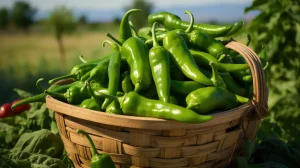 Tips for Selecting and Storing Hatch Green Chile
Getting the most out of your Hatch green chile starts with selecting fresh chile and storing it properly to maintain its flavor and texture. Look for chiles that are firm, glossy, and free of blemishes or soft spots. The freshest Hatch green chiles will have a vibrant green color and a slightly crisp feel when handled.
Once you’ve picked them, correctly storing Hatch green chile is key to preserving chile flavor. If you plan to use them within a few days, keep them in a breathable bag in the refrigerator’s crisper drawer. For longer storage, roasting and freezing are the most effective methods. Roasting the chiles brings out their signature smoky taste and helps loosen the skins for easy peeling.
After roasting, let the chiles cool, peel off the skins, and remove the seeds if desired. Pack them into airtight containers or freezer bags in usable portions and freeze them. Properly stored, frozen Hatch green chile can retain its flavor for months, making it easy to enjoy long after the harvest season ends. This approach not only extends their shelf life but also ensures you’re preserving chile flavor for future meals.
How to Cook with Hatch Green Chile
Hatch green chile can be used in everything from main courses to side dishes and sauces, preparing a traditional New Mexican meal, or experimenting with new flavors.
Typical uses include layering roasted chile into enchiladas, blending it into stews and soups, or stirring it into creamy sauces for added heat and depth. It also makes a flavorful topping for burgers, eggs, pizza, and baked potatoes. Its versatility allows it to complement both meat-based and vegetarian dishes.
Some of the best chile recipes feature Hatch green chile as the star ingredient, highlighting its smoky, savory flavor. Fresh or frozen, Hatch green chile is easy to incorporate into your favorite meals or use as inspiration for trying something new. From breakfast to dinner, Hatch green chile delivers a distinctive taste that boosts everyday dishes across all kinds of culinary applications.
Did you know that we offer online cooking classes? These classes are a great way to ramp up your cooking skills, and you can learn at home. Popular options include Hatch Green Chile Chicken Tamales and Hatch Pork Green Chile Stew.
The Flavor, Heat, and Heritage of Hatch Green Chile
Hatch green chile is more than just a regional ingredient. It's a culinary treasure rooted in New Mexican cuisine. What sets it apart is the unique combination of growing conditions found in the Hatch Valley, where high elevation, fertile volcanic soil, and a distinct terroir shape its bold, earthy flavor. The roasting tradition adds a smoky, buttery depth that further enhances its appeal, making it a tradition each fall.
From mild to hot, chile's versatile heat levels offer something for every palate, supporting a wide range of culinary applications in Southwestern cuisine. Its presence in some of the best chile recipes, from enchiladas and stews to sauces and toppings, reflects both its flavor and cultural significance. Loved locally and recognized globally, Hatch green chile continues to symbolize New Mexican culture and is a staple ingredient in kitchens near and far.
Ready to bring authentic New Mexico flavor to your kitchen? Start experimenting with Hatch green chile in your favorite recipes — from stews and enchiladas to sauces and salsas — and discover why it's a must-have ingredient in Southwestern cuisine. For hands-on guidance and expert tips, check out Santa Fe School of Cooking’s classes and demonstrations, where you can take your chile-inspired cooking to the next level.
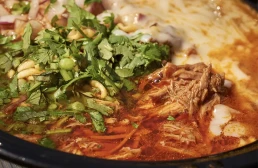
The Difference Between Tex-Mex and New Mexican Cuisine
The Difference Between Tex-Mex and New Mexican Cuisine
Southwestern cuisine covers a wide range of tastes and traditions, but few regional food identities are as enduring — or as misunderstood — as Tex-Mex and New Mexican food. They share a border and a love for chile, but culturally and culinarily, they come from different worlds.
If you’ve found your way to the Santa Fe School of Cooking, chances are you’ve already tasted the difference. But what makes these two Southwestern staples stand apart? And why does it matter?
Tex-Mex vs. New Mexican: Origins and Influences
Tex-Mex cuisine is born of the border, specifically the long stretch of land where Texas meets northern Mexico. Over time, Mexican culinary traditions blended with American ingredients and preferences: yellow cheese, ground beef, wheat flour, and a liberal use of cumin. It's a cuisine built on cultural fusion and adaptation.
New Mexican food, on the other hand, is rooted in Indigenous and Spanish colonial influences, shaped by the agricultural and spiritual traditions of Pueblo peoples and the cuisine brought by settlers from Spain and Mexico. It’s one of the oldest continuously evolving food cultures in North America, and its recipes often reflect a deep respect for place and process. Our Native cooking classes trace this evolution with care and authenticity.
Tex-Mex is a product of migration and modernization. New Mexican cuisine is a continuation of legacy. One is defined by reinvention, the other by preservation.
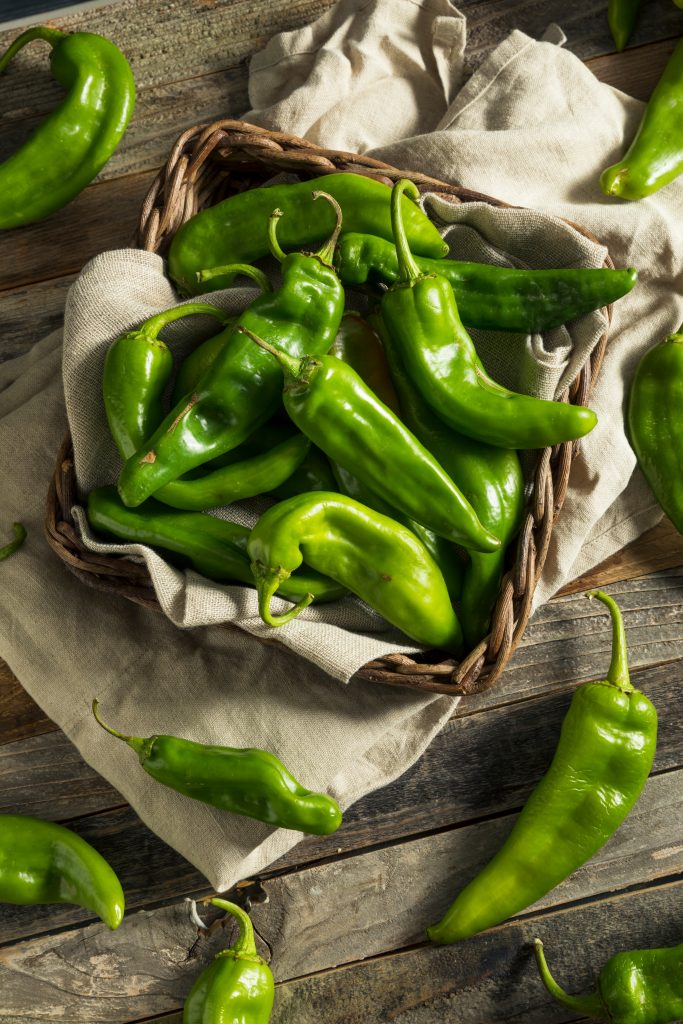
Chile vs. Jalapeño: The Key Ingredient Difference
When it comes to pepper varieties, New Mexico takes its chile seriously. Not "chili," not just "spicy peppers" — chile, with an e, and always with intent. Hatch green and red chile are the lifeblood of New Mexican food, prized for their flavor range more than their heat index. Terroir matters here: the soil, sun, and elevation of the Hatch Valley produce something specific, something that can’t be replicated.
Tex-Mex leans heavily on the jalapeño, often pickled and used more as a sharp accent than a base flavor. Jalapeños bring brightness and a quick kick, but they rarely anchor a dish. New Mexican chile, by contrast, is often the heart of the meal — simmered into sauces, slow-roasted, and layered across entire plates. Our marketplace offers a collection of chiles that capture that depth, from smoky red to tangy green.
Enchiladas vs. Fajitas: Defining Dishes
Signature dishes tell you a lot about a cuisine’s priorities. In Tex-Mex, the fajita reigns: sizzling strips of grilled meat and peppers, wrapped in a flour tortilla. The appeal is immediate — it’s fast, flavorful, and always a hit at the table.
In New Mexican cuisine, the enchilada is more foundational. Typically stacked, smothered in red or green chile (or both, if you ask for "Christmas"), and often baked until tender, enchiladas reflect the traditional methods of the region. The ingredients are humble: corn tortillas, chile, cheese, and meat or vegetables. But the preparation is intentional and reverent. In our Classic New Mexican cooking class, you’ll learn not just the recipe, but the “why” behind each step.
Spice and Taste Profiles: A Culinary Contrast
Flavor complexity is where these cuisines branch off. Tex-Mex favors strong, sometimes simplified combinations: cumin-heavy seasoning, melted yellow cheese, sour cream, and tomato-based sauces. Flour tortillas are common, and the spice comes in quickly, often from jalapeño or hot sauce.
New Mexican food is more layered. The chile sauce takes center stage, with smoky, earthy, and slightly sweet notes depending on the variety. There’s often a fire-roasted element, and seasoning is less about bold spice and more about balance. Cumin isn’t a key player here. Instead, taste profiles build from slow-cooked meats, garlic, oregano, and, always, chile. Our Traditional New Mexican cooking classes explore these differences in depth, with a focus on authentic preparation and regional nuance.
Try It for Yourself
Taste is only the beginning. What really separates Tex-Mex from New Mexican food is tradition, history, and geography. If you’re curious to experience these distinctions firsthand, we offer both online and in-person cooking classes that dig deep into New Mexico’s food culture. Our marketplace carries many of the specialty ingredients, cookbooks, and tools you'll need to bring the experience home.
You don't need to choose sides in the Tex-Mex vs. New Mexican food debate. But once you’ve tasted freshly roasted Hatch chile, you might find yourself leaning in one delicious direction.